A mechanical issue should not be the moment a carefully planned ride through the American West becomes an exercise in logistics. Thoughtful motorcycle breakdown support is what separates an independently managed trip from a private touring experience built to protect your time, comfort, and confidence.
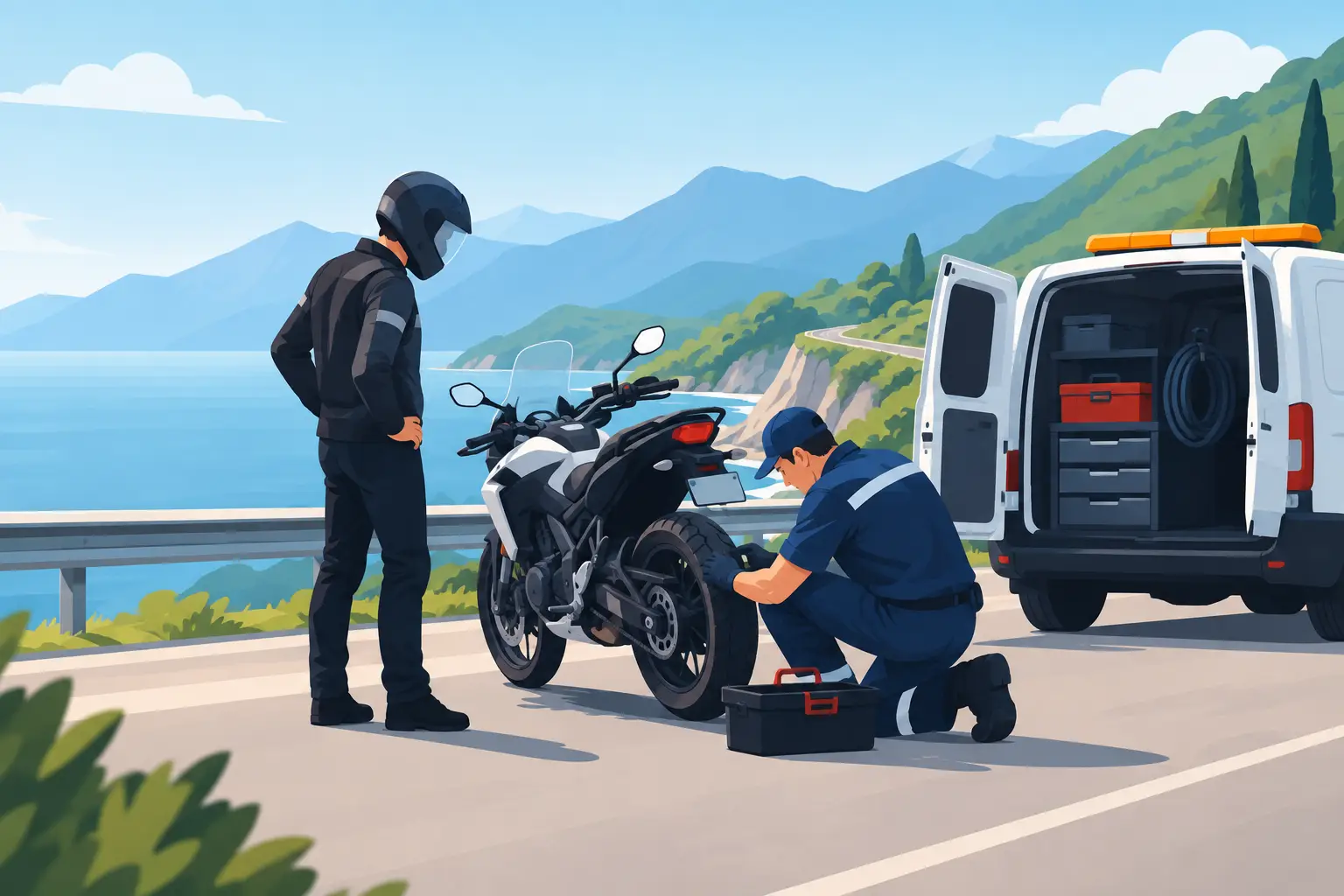
A flat tire outside a small mountain town, an overheating warning in summer desert heat, or an unfamiliar sound on a remote scenic highway can happen to even the best-maintained motorcycle. The question is not whether a machine can ever need attention. It is whether the response preserves the day you came to enjoy.
What Motorcycle Breakdown Support Should Mean
Many riders hear “breakdown support” and picture a tow truck. Towing has its place, of course, but it is only one part of a considered response. On a premium private motorcycle tour, support begins well before a motorcycle stops moving.
It includes selecting appropriate motorcycles for the itinerary, inspecting equipment, understanding fuel distances, carrying the right supplies, and choosing routes with realistic pacing. It also means having a guide and support team that can assess a problem calmly, communicate clearly, and make decisions based on the guests in front of them rather than a rigid group schedule.
The most valuable support is often invisible. Luggage is already in the support vehicle, so a rider does not have to manage heavy bags while dealing with a problem. Cold water, snacks, rain layers, and personal items are close at hand. If the weather turns or the road conditions change, the team can adjust before a minor inconvenience becomes an exhausting afternoon.
For guests traveling with a spouse, family member, or close group of friends, that discretion matters. A mechanical interruption need not become everyone’s problem. One guest may ride in the support vehicle, another may continue with the guide, and the itinerary can be revised around the group’s preferences.
The Difference Between Assistance and Recovery
Roadside assistance is a useful safety net, particularly for self-guided riders. Yet membership-based coverage is designed to provide a general service across a large network. Response times, towing distances, repair options, and communication can vary considerably in remote areas.
Private motorcycle breakdown support is more personal. The team already knows the route, the day’s lodging, the nearest practical service options, and the guests’ next priorities. Rather than asking a stranded rider to explain their location from a roadside shoulder, the guide can coordinate the next move directly.
That distinction becomes especially meaningful in places where cell service is intermittent and repair facilities may be hours apart. In a remote landscape, a recovery plan must consider more than the motorcycle. It must account for the riders, their comfort, their schedule, and the possibility that a hotel, dinner reservation, private flight, or other planned experience awaits later that day.
There are practical limits. No support team can guarantee that every mechanical issue will be fixed at the roadside, and certain failures require a qualified technician or replacement motorcycle. What excellent support can provide is a composed, efficient path forward without leaving guests to negotiate unfamiliar logistics on their own.
How a Support Vehicle Changes the Riding Experience
A dedicated support vehicle is one of the most meaningful luxuries on a multi-day motorcycle journey. It creates physical capacity for the things that make travel more enjoyable: luggage, extra clothing, hydration, photography equipment, souvenirs, and gear for changing conditions.
It also provides operational flexibility when the unexpected occurs. A rider who is fatigued, uncomfortable in changing weather, or simply ready for a break has an immediate alternative. If a motorcycle needs attention, the vehicle can help move people and equipment while the guide coordinates repair or recovery.
This is not about making the ride feel overmanaged. The pleasure of motorcycle travel is its direct connection to the road: the scent of pine after rain, the warmth rising from desert pavement, and the changing light across a mountain pass. Proper support preserves that feeling by removing the burdens that distract from it.
For non-riding companions, this flexibility is equally valuable. A guest enjoying an open-air touring experience in a Vanderhall Autocycle may want a different pace than an experienced motorcyclist. A private tour can accommodate both without turning the day into a compromise.
Preparing for Problems Before the First Mile
A polished touring experience does not rely on luck. Preparation should be part of the design, especially on itineraries that travel through areas with long distances between towns and limited motorcycle service.
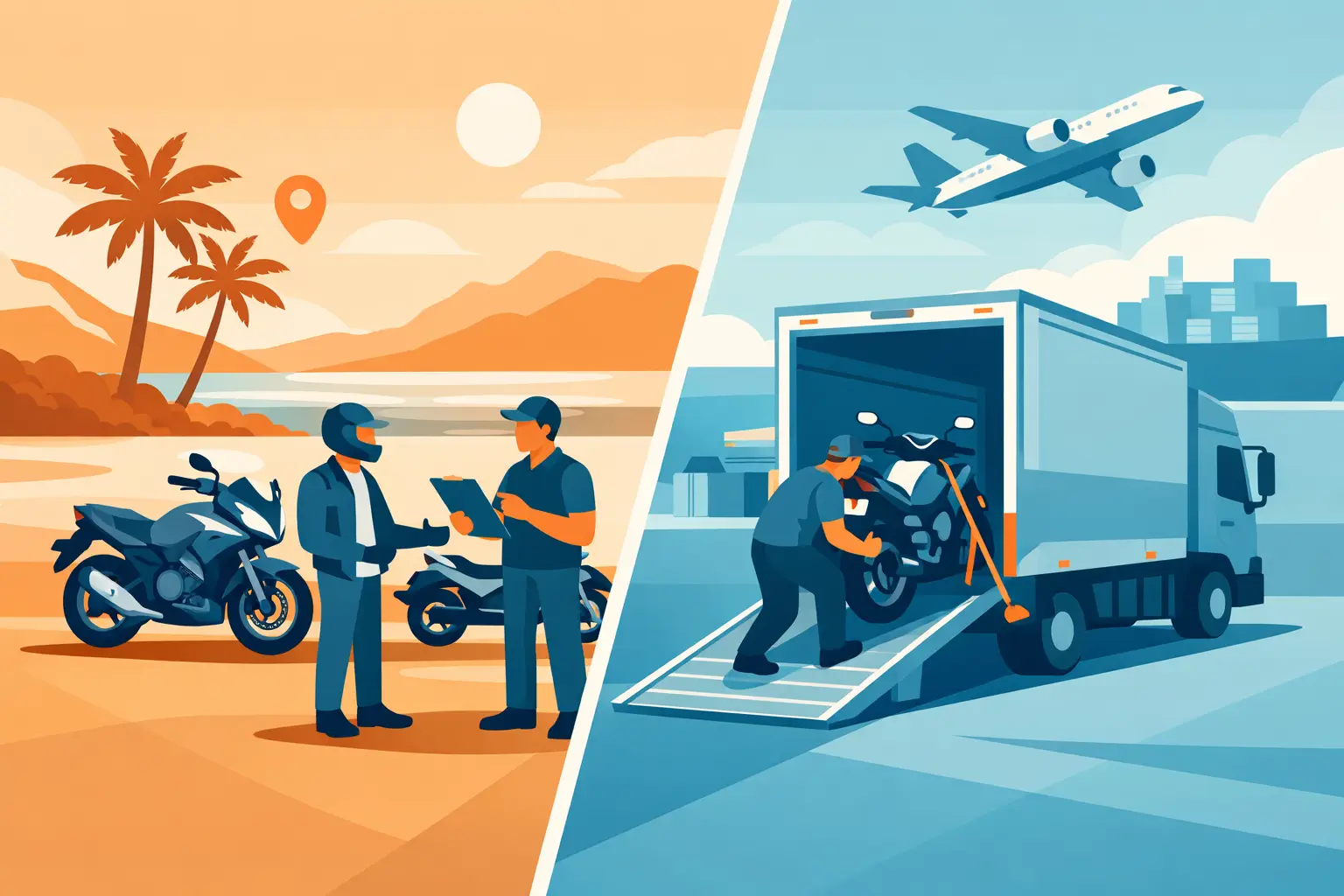
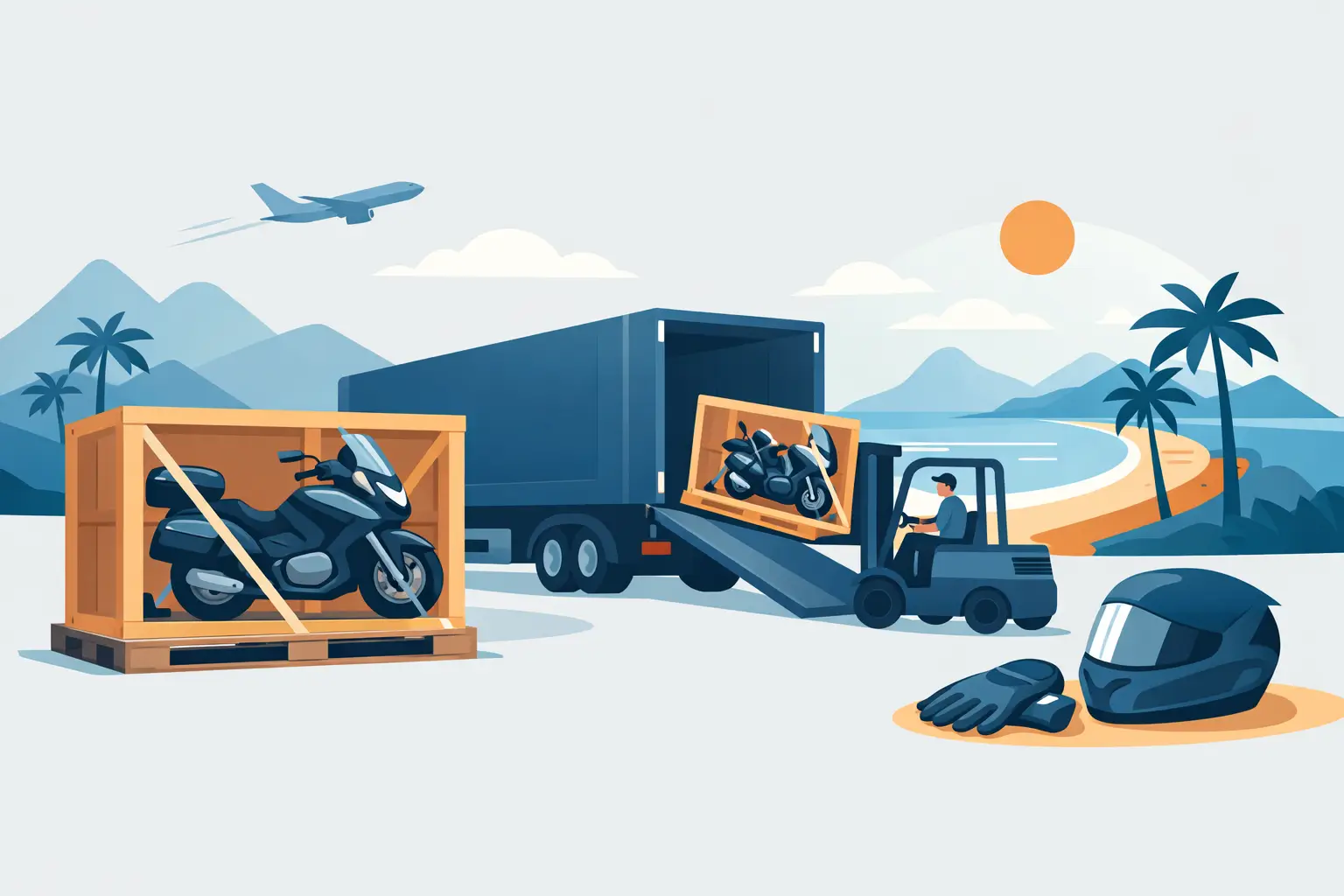
Before departure, riders should understand the motorcycle they will be using, including fuel range, control layout, tire condition, and any features that may differ from their personal bike. Guests shipping their own motorcycle should allow time for a pre-ride inspection after delivery. A familiar machine is reassuring, but transport, elevation changes, and demanding roads can reveal issues worth addressing before a full day in the saddle.
It is also wise to bring essential personal items, even with full tour support. Prescription medications, eyewear, a phone charging cable, identification, and weather-specific riding layers should remain accessible rather than packed deep in transferred luggage. A support vehicle is there to simplify travel, not to make guests dependent on a single bag being in a single place.
The route itself should be designed with intelligent margins. A day packed with ambitious mileage, a fixed dinner reservation, and no alternate roads leaves little room for weather, traffic, or a mechanical delay. Bespoke planning creates room to respond well. Sometimes that means shortening a scenic loop, taking a more direct road to an exceptional lodge, or arranging an alternate activity while service is completed.
When a Motorcycle Has to Come Off the Road
If a motorcycle cannot safely continue, the best next step depends on the failure, location, and available repair options. A puncture may be repairable. A battery, belt, electrical, or engine issue may require more substantial service. Continuing to ride a compromised machine simply to protect an itinerary is rarely a wise trade.
A professional team should first prioritize the rider’s safety and comfort, then determine whether the motorcycle can be repaired locally, transported to a suitable technician, or replaced. Clear communication is central at this point. Guests deserve to know what has happened, what options are available, and what each choice means for the rest of their tour.
Replacement arrangements are not always immediate, particularly in high-demand travel periods or remote locations. That is where a well-connected private operator brings value. The goal is not to promise an impossible outcome. It is to use local knowledge, premium resources, and a flexible itinerary to make the disruption feel proportionate rather than defining.
At Knowwhere Motorcycle Touring, this approach is part of the wider concierge mindset: handle the operational details with quiet competence, then return the guests’ attention to the journey.
Choosing the Right Level of Support for Your Trip
Not every ride requires the same level of backup. A short weekend route near home may only call for solid roadside coverage, a charged phone, and basic mechanical readiness. A cross-state journey through unfamiliar terrain requires more planning. A private, multi-day luxury tour benefits from a dedicated support structure because the experience includes more moving parts: accommodations, dining, luggage, activities, and the expectations of every guest in the party.
Experienced riders sometimes assume they need less support because they are comfortable making roadside repairs. Their skill is valuable, but it does not eliminate the value of choice. A support vehicle lets a capable rider decide whether repairing a minor issue is part of the adventure or whether the better decision is to let the team handle it while the day continues.
For newer riders, returning riders, and international guests, professional support can be even more reassuring. It creates space to enjoy spectacular roads without the low-grade concern of navigating unfamiliar service systems, weather patterns, and distances.
The finest motorcycle trips are not memorable because nothing ever changes. They are memorable because every detail, including the unexpected one, is handled with enough care that the road still feels like freedom.